

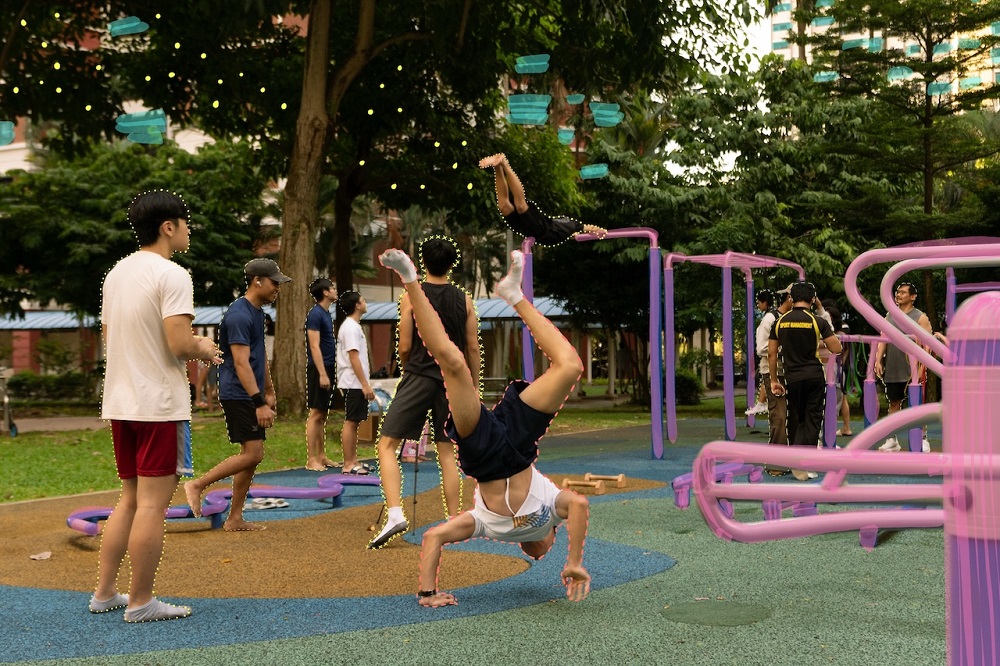
Singapore is a city where fitness motivation often has to compete with heat, humidity, sudden rain, long workdays, and crowded schedules. People may start with a strong intention to walk, run, cycle, or exercise outdoors, but the local climate can quickly make consistency harder than expected. That is one reason indoor fitness routines have become more practical for many working adults, parents, students, and expats who want exercise to feel manageable throughout the year.
For many people searching for a reliable gym singapore option, the real question is not only about equipment or location. It is about building a routine that works even when the weather is uncomfortable, unpredictable, or draining. Indoor training gives people a more controlled setting where temperature, lighting, safety, equipment, and workout structure are easier to manage.
Why Climate Matters More Than People Think
Singapore’s tropical weather affects exercise in several ways. Heat increases perceived effort, meaning a workout can feel harder even when the actual movement is moderate. Humidity also makes sweating less efficient because sweat does not evaporate as easily. This can leave people feeling hotter, heavier, and more tired during exercise.
For outdoor runners, cyclists, or bodyweight training fans, this matters. A simple workout can become difficult when the body has to manage both movement and heat stress at the same time. Some people adjust by training very early in the morning or late at night, but not everyone has that flexibility.
Indoor training reduces this barrier. A gym environment allows people to train without planning around midday heat, rain, haze, or poor outdoor conditions. That consistency can make a major difference over months.
Indoor Training Helps Build Routine
Fitness is rarely about one perfect workout. It is about repetition. People who can repeat their training schedule are more likely to improve strength, stamina, mobility, and confidence. Singapore’s climate can interrupt that repetition if someone depends only on outdoor exercise.
Indoor training helps because it removes many excuses and disruptions. For example:
- Rain does not cancel the session.
- Heat does not force a shortened workout.
- Equipment is available in one place.
- Classes and training times create structure.
- Air-conditioned spaces help manage comfort.
This does not mean outdoor exercise is bad. Parks, walking paths, and open spaces can be excellent for movement. But for people who struggle with consistency, having an indoor option gives them a dependable backup.
Heat and Humidity Change Workout Planning
In a humid climate, people often need to be smarter about workout intensity. High-intensity training outdoors can feel punishing when the air is heavy and warm. Even moderate exercise can become tiring faster.
Indoor spaces give people more control over intensity. Someone can do strength training, cycling, treadmill work, mobility drills, or a group class without worrying as much about overheating. The controlled environment can also help people focus on technique instead of feeling distracted by discomfort.
Strength Training Becomes More Practical Indoors
Strength training is one of the most climate-friendly forms of indoor exercise. Unlike outdoor cardio, it does not depend on weather, road conditions, or open space. A person can train with machines, free weights, resistance equipment, and guided movement patterns in a stable environment.
This is especially useful for people with specific goals such as:
- Building muscle
- Supporting better posture
- Improving everyday strength
- Managing weight more sustainably
- Reducing the risk of workout boredom
- Adding structure to a weekly routine
Strength training also allows people to progress gradually. A gym setting makes it easier to track weights, sets, repetitions, and recovery time.
Rainy Weather Can Break Outdoor Momentum
Singapore’s rain can be sudden. A person may plan an outdoor workout after work, only to cancel because of a downpour. One missed session is not a major issue, but repeated cancellations can break motivation.
Indoor training avoids that problem. Instead of making weather-based decisions every day, people can simply follow a schedule. This helps fitness feel less dependent on mood or climate.
For busy professionals, this can be especially important. After a long workday, motivation is often low. If the weather is bad too, skipping exercise becomes even easier. Having a fixed indoor routine reduces decision fatigue.
Indoor Spaces Support Different Fitness Personalities
Not everyone enjoys the same kind of exercise. Some people like quiet strength training. Others need the energy of a group class. Some prefer cardio machines because they can control pace. Others like structured personal coaching.
Indoor fitness spaces are useful because they can support different personalities in one place. A person who gets bored with solo workouts can join classes. Someone who dislikes classes can train alone. A beginner can use guided machines, while a more experienced person can focus on progressive strength work.
This flexibility matters in Singapore because lifestyle schedules vary widely. People may work long hours, commute between neighborhoods, travel often, or balance family responsibilities. A flexible indoor setup helps exercise fit into real life.
Air-Conditioned Training Can Improve Comfort
Comfort may sound like a small thing, but it can strongly influence consistency. If someone associates exercise with discomfort, they may avoid it. If the environment feels manageable, they are more likely to return.
Air-conditioned training does not make exercise effortless, but it can make the session more approachable. People can focus on movement quality, breathing, pacing, and strength rather than constantly feeling overwhelmed by heat.
This is particularly useful for:
- People returning to exercise after a long break
- Older adults who prefer controlled environments
- Office workers who train after work
- People who sweat heavily
- Anyone who feels drained by humidity
Indoor Training Can Still Feel Varied
A common concern is that indoor workouts may feel repetitive. That only happens when the routine lacks variety. A well-planned indoor fitness routine can include strength work, mobility, cardio, functional training, cycling, yoga, HIIT, and recovery-based movement.
The advantage is that people can rotate workouts without needing multiple locations. This helps prevent boredom and supports balanced development. For example, a weekly routine might include:
- Two strength sessions
- One cycling or cardio session
- One mobility or yoga session
- One group class for motivation
- One lighter recovery workout
This kind of structure is easier to manage when everything is accessible indoors.
Why Indoor Fitness Works Well for Urban Living
Singapore’s urban lifestyle creates specific challenges. Many people live in apartments with limited space. Some HDB flats or condos may have shared fitness rooms, but they may not always offer full equipment, classes, or coaching. Outdoor space can also be crowded during peak hours.
A dedicated gym environment solves many of these issues. It gives people access to more equipment, safer training layouts, changing facilities, and structured programs. For people who want to take fitness seriously, this can be more effective than trying to build a complete routine at home.
It Helps Separate Fitness From Daily Distractions
Training at home can work for some people, but many struggle with distractions. Family members, phone calls, chores, food deliveries, and work messages can interrupt focus. A gym creates a clearer boundary. Once a person arrives, the purpose is obvious.
That mental separation can improve workout quality. People are more likely to complete their session when the environment supports the goal.
Group Classes Add Energy Without Weather Stress
Group classes are another reason indoor training fits Singapore’s climate. Classes bring structure, music, coaching, and social motivation into one session. They also reduce the need to plan every detail.
This is useful for people who want a guided workout but do not want to think about sets, reps, timing, or workout design. The class format keeps the session moving and helps participants stay engaged.
Indoor classes are especially helpful during hot or rainy periods because people can still enjoy high-energy movement without outdoor discomfort.
Hydration and Recovery Still Matter Indoors
Training indoors does not remove the need for proper hydration. People can still sweat heavily in air-conditioned spaces, especially during intense workouts. Drinking water before and after exercise remains important.
Recovery also matters. In a warm climate, people often underestimate how much daily heat exposure affects energy. Sleep, nutrition, stretching, and rest days help the body adapt.
A smart indoor routine should not be intense every day. Balanced programming produces better long-term results than pushing hard without recovery.
How to Make Indoor Training Sustainable
People get the best results when indoor training becomes part of normal life rather than a short burst of motivation. The routine should be realistic enough to survive busy weeks.
A sustainable plan may include:
- Choosing workout times that match real energy levels
- Keeping sessions short enough to repeat
- Mixing strength, cardio, and mobility
- Tracking progress without becoming obsessed
- Using classes for variety
- Taking rest seriously
- Avoiding all-or-nothing thinking
The goal is to make fitness easier to continue, not harder to start.
Where a Fitness Brand Fits Into the Routine
A good indoor fitness setup should help people train consistently, not make exercise feel complicated. Facilities, class variety, coaching options, and accessibility all play a role. Someone who wants a practical fitness routine in Singapore should look for an environment that supports both motivation and long-term habit building.
Near the end of the decision process, people may compare convenience, training variety, comfort, and support. A brand such as True Fitness Singapore can be considered by those who want indoor training options that fit Singapore’s climate, urban lifestyle, and year-round fitness needs.
FAQ
Is indoor training better than outdoor training in Singapore?
Not always. Outdoor training can be excellent for walking, running, and general movement. Indoor training becomes more practical when heat, humidity, rain, or schedule changes make outdoor workouts inconsistent.
Can people still lose fitness motivation in a gym?
Yes. A gym only helps when the person uses it consistently. The best approach is to create a realistic weekly routine, choose enjoyable workouts, and avoid making every session too difficult.
Does air-conditioning reduce workout effectiveness?
No. A controlled indoor temperature does not make exercise less effective. Workout quality depends more on effort, technique, consistency, and progression.
What type of indoor workout works best in humid weather?
Strength training, cycling, guided classes, yoga, and moderate cardio can all work well. The best choice depends on the person’s goals, fitness level, and preferred style of exercise.