

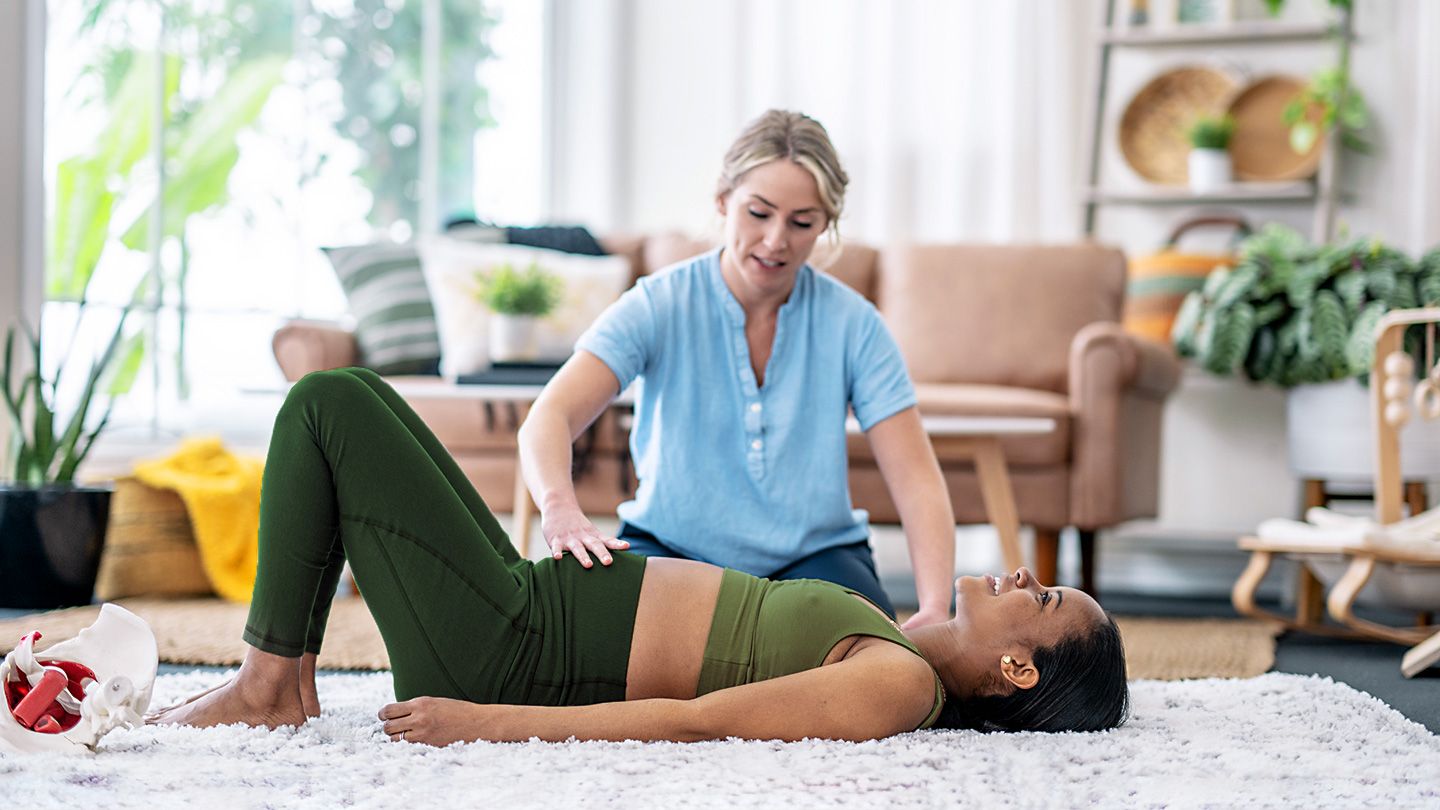
After birth, many women expect tiredness, broken sleep, and a long list of new routines. What often gets less attention is pelvic floor recovery. Bladder leaks, pelvic heaviness, lower back pain, and discomfort with exercise are common after pregnancy, but they should not be brushed off as something you simply have to live with.
That is where pelvic rehab can help. Discussions around Pelvic floor physical therapy and Postpartum physical therapy in The Bay Area often point to the same goal: helping women regain strength, control, and comfort after childbirth. While the title mentions the Bay Area, the same recovery lessons matter in Australia, where new mums often return to walking, lifting, pram pushing, and daily family tasks quite quickly.
You’ll learn what pelvic floor therapy involves, when to get help, and which signs suggest your body needs extra support. Here’s how this type of care fits into postpartum recovery and why early attention can make daily life easier.
What the Pelvic Floor Does After Birth
The pelvic floor is a group of muscles that supports the bladder, bowel, and uterus. During pregnancy, these muscles carry extra weight for months. During vaginal birth, they also stretch under pressure. Even after a caesarean, the pelvic floor can still be affected by pregnancy itself.
When these muscles are weak, tight, or poorly coordinated, you may notice:
- leaking urine when coughing or laughing
- a heavy or dragging feeling in the pelvis
- pain during sex
- trouble emptying the bladder or bowel
- reduced core strength during movement
These symptoms are common, but common does not mean normal in the long term.
What Pelvic Floor Therapy Usually Includes
A trained women’s health physiotherapist will usually start with questions about your pregnancy, birth, symptoms, and daily routine. This helps build a clear picture of what your body is doing during recovery.
Treatment may include:
- assessment of pelvic floor strength and control
- breathing and pressure management
- gentle core retraining
- posture and lifting advice
- relaxation work for overactive muscles
- a home exercise plan that suits your stage of recovery
This is not about doing endless squeezes without guidance. Some women need strengthening, while others need to learn how to relax and coordinate these muscles properly.
When to Get Help
Many women in Australia wait until the six-week check, but support can still be useful after that point. If symptoms continue for months, it is still worth getting assessed. You might be wondering if mild leaking or pressure is too small to mention. It is not.
Start with professional advice if you notice:
Ongoing bladder leaks
Leaks during walking, sneezing, or lifting can point to poor pelvic floor function.
Pelvic heaviness
This may suggest reduced support through the pelvic area.
Pain that affects daily life
Pain in the pelvis, lower back, or perineal area should be assessed if it does not ease.
Trouble returning to exercise
If jogging, gym work, or even brisk walking feels wrong, your body may need targeted rehab.
Why Early Support Matters
Early support can reduce strain, improve confidence, and help you return to normal movement with less discomfort. It can also help prevent small issues from turning into longer-term problems. For Australian mums balancing feeding, carrying, housework, and recovery, that support can make a real difference.
Postpartum recovery deserves proper care. If symptoms are affecting your comfort, confidence, or daily routine, start with an assessment from a qualified women’s health physiotherapist. One clear first step can make recovery feel far more manageable.