

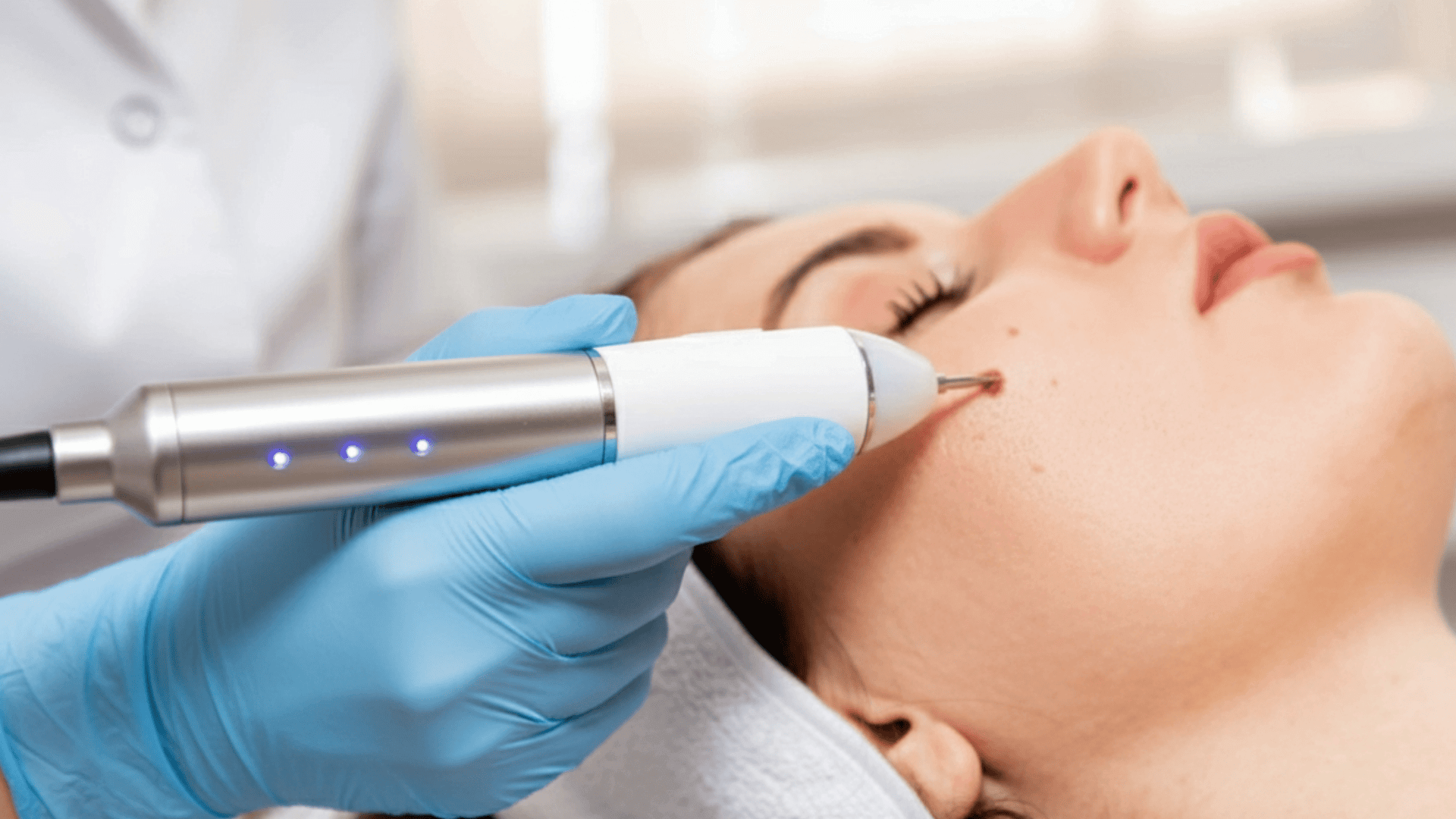
Mole removal is often discussed as a simple aesthetic treatment, but the first step should always be understanding whether the mole is suitable to remove and whether it needs medical assessment. Anyone considering CO2 laser mole removal should make sure the mole has been properly checked, the treatment method is suitable and the expected healing process is clearly explained.
Assessment Should Come Before Removal
Not every mole should be treated in the same way. Some are flat, some are raised, some are long-standing and unchanged, while others may have altered in size, shape, colour or texture. Any mole that has changed, become irregular, started bleeding, itching or looking unusual should be assessed carefully before cosmetic removal is discussed.
A proper consultation should look at the mole itself and the patient’s wider history. The practitioner may ask how long it has been present, whether it has changed, whether there is any family history of skin cancer and whether previous treatment has been carried out. This is not unnecessary caution. It is part of making sure the right decision is made.
If there is any concern about the nature of a mole, diagnostic assessment or a different removal method may be needed. Cosmetic convenience should never come before medical safety.
The Method Should Suit The Mole
CO2 laser treatment may be considered for certain types of benign skin lesions, but suitability depends on the mole’s size, depth, position and appearance. A raised mole on the face, for example, may require a different discussion from a darker or irregular lesion on the body.
Patients should ask why a particular method is being recommended. They should also understand whether the treatment is intended to flatten, reduce or remove the visible lesion, and whether there is a chance of pigmentation changes, scarring or recurrence. No removal method can guarantee a perfect result.
Skin type can also influence healing and pigmentation risk. Some people may be more prone to dark marks, pale marks or raised scars after treatment. This should be discussed before the procedure, especially when treating visible areas such as the face or neck.
Healing Is Part Of The Result
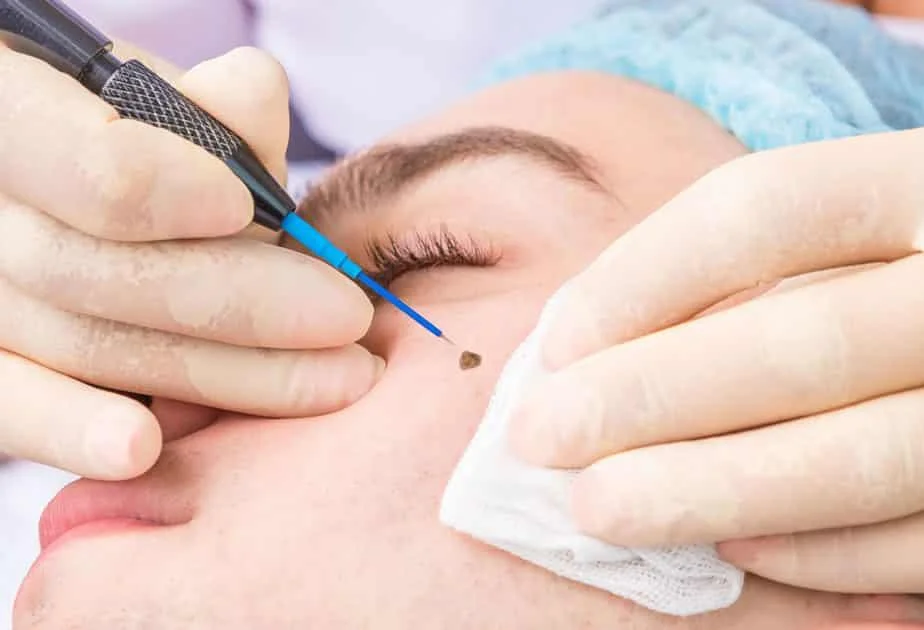
The appearance immediately after treatment is not the final result. Skin needs time to heal, and the treated area may go through stages of redness, crusting, sensitivity or colour change. Patients should be clear on what is normal and when they should contact the clinic.
Aftercare can affect the final appearance. Keeping the area clean, avoiding picking, protecting the skin from sun exposure and following the clinic’s instructions can all support better healing. Ignoring aftercare may increase the risk of marks or irritation.
It is also worth planning treatment timing carefully. If the mole is in a visible area, patients may want to avoid scheduling removal immediately before an event, holiday or period of strong sun exposure. Healing deserves time and protection.
A Safe Approach Is The Best Approach
Mole removal should never be rushed because the treatment looks quick. The most important part is choosing a safe, suitable approach based on proper assessment.
Patients should feel comfortable asking questions about diagnosis, treatment method, healing, risks and aftercare. A careful consultation helps protect both health and appearance, giving the best chance of a result that is appropriate, safe and well managed.