

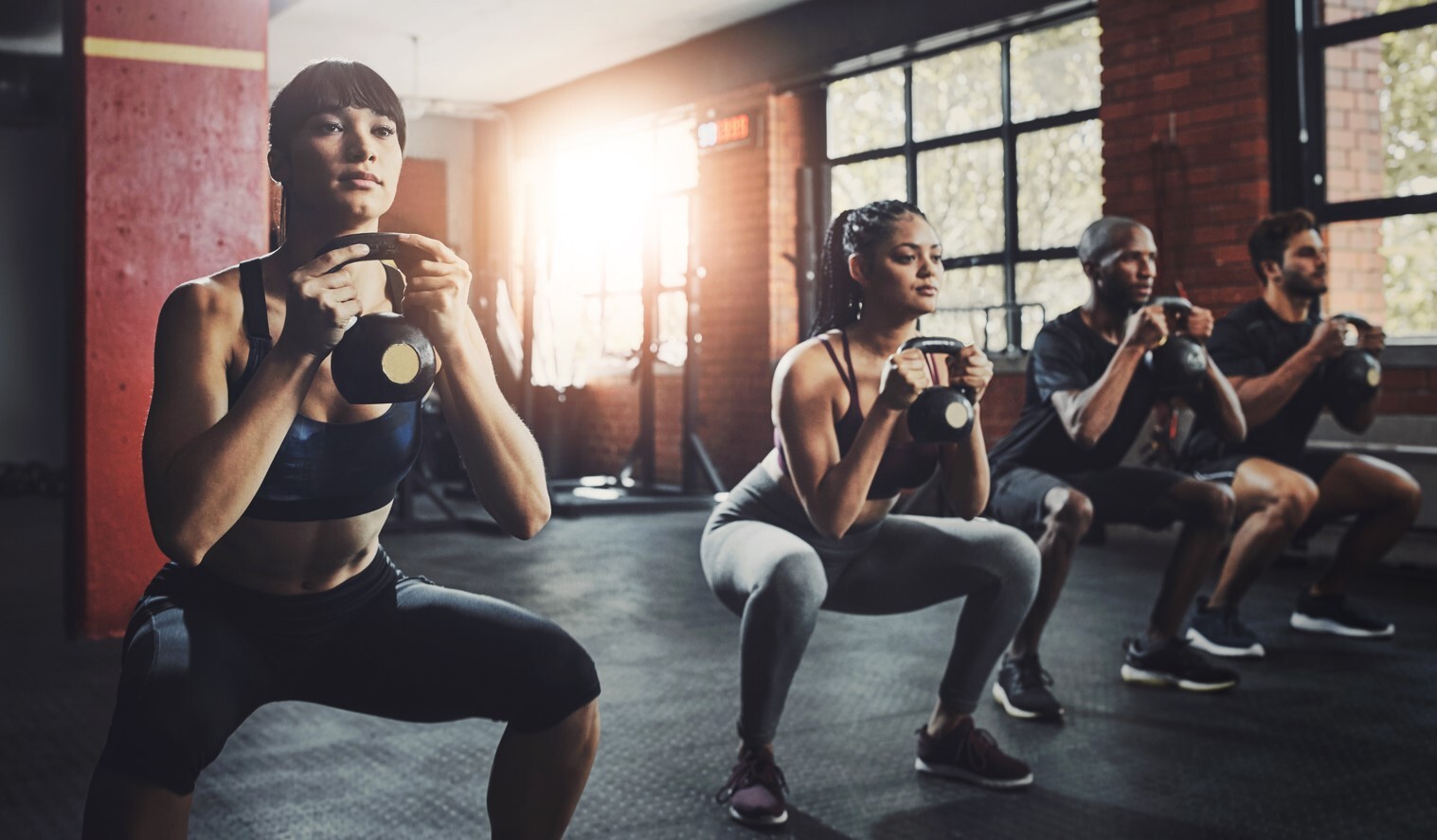
Many people approach fitness from only one direction. They stretch because they feel stiff, or they train the core because they feel weak. The problem is that the body usually needs both. Flexibility without strength can feel unstable, while strength without mobility can feel restricted. This is why yogalates singapore has become an interesting option for adults who want a blended practice that supports movement, stability, posture, and body awareness together.
Yogalates combines elements commonly associated with yoga and Pilates. Yoga brings breath, mobility, posture awareness, balance, and mindful movement. Pilates brings core control, alignment, precision, and deep stabilizing strength. Together, the approach can suit people who do not want to choose between stretching and strengthening. It gives the body a more complete training experience without relying on high-impact movement or heavy gym equipment.
Why Flexibility Alone Is Not Enough
Many people think they need to become more flexible because their hips, hamstrings, shoulders, or back feel tight. Stretching can help, but flexibility alone does not always solve the problem. If the body lacks strength or control, it may continue to feel tense.
For example, a person with tight hips may stretch regularly but still feel stiff after sitting. The issue may not be only tightness. It may also involve weak glutes, poor core support, limited pelvic control, or poor posture habits. Similarly, someone with shoulder tightness may need upper-back strength and better breathing patterns, not only chest stretching.
Yogalates can help because it encourages mobility and control in the same session. The body learns to move into range, but also to support that range.
Why Core Strength Needs Mobility
Core strength is often misunderstood as abdominal exercise. In real life, the core helps the body stabilize while moving. It supports the spine, pelvis, ribs, and posture during walking, sitting, bending, reaching, and exercising.
If the body is strong but stiff, the core may work too hard in limited positions. Movement may feel rigid. This is why flexibility and mobility still matter. A useful core is not only tight and strong. It is responsive, coordinated, and able to support movement in different directions.
Yogalates can train this balance. Pilates-based control can strengthen the center of the body, while yoga-based movement can improve range and ease.
A Better Fit for Desk-Bound Adults
Modern adults often sit for long hours. This creates a familiar pattern. The hips tighten, the shoulders round, the spine becomes less mobile, and the core becomes underactive. The body may feel both stiff and weak at the same time.
A pure stretching routine may feel good temporarily, but stiffness returns. A pure strength routine may help, but it may not address mobility and breath. Yogalates can be useful because it works on several needs at once.
A session may include controlled core work, spinal movement, hip opening, balance, breath awareness, and postural correction. This makes it practical for people whose bodies are affected by office routines, commuting, and screen use.
How Breath Improves Movement Quality
Yoga brings a strong breathing component into movement. Pilates also uses breath to support control. In Yogalates, breath helps connect both sides of the practice.
Many people hold their breath when they are trying to stabilize or stretch. This creates unnecessary tension. Breath helps the body stay responsive. It can make core work more controlled and stretching more comfortable.
For people under stress, breath also helps calm the nervous system. This turns the class into more than physical training. It becomes a way to reset body and mind.
Why Low-Impact Training Matters
Not everyone wants high-impact exercise. Some people dislike jumping, running, heavy lifting, or aggressive workout environments. Others may be returning to fitness after a break and need something more controlled.
Yogalates can provide challenge without impact. Slow holds, core engagement, balance work, and controlled transitions can be demanding, but they do not require pounding the joints.
This makes the practice suitable for adults who want to become stronger and more mobile without feeling overwhelmed by intense fitness culture.
Posture Benefits From Both Methods
Posture depends on strength, mobility, awareness, and breathing. Yoga can help open tight areas and improve alignment awareness. Pilates can help strengthen the deeper muscles that support posture. Together, they can create a more complete approach.
A person with rounded shoulders may need chest opening, upper-back activation, core support, and better breathing. A person with lower back fatigue may need hip mobility, pelvic control, and core stability. Yogalates can address these connections rather than treating posture as a single body-part issue.
Who May Benefit Most From Yogalates?
Yogalates may suit people who feel stiff but also want strength. It may help adults who sit long hours, people who want better posture, and those who find regular workouts too repetitive. It may also appeal to people who enjoy yoga but want more core work, or people who like Pilates but want more flow and breath-led movement.
It is not about replacing every other fitness method. It can become a strong foundation for balanced movement.
How to Approach the First Few Classes
Beginners should not expect to master everything immediately. Yogalates can feel different because it requires both control and mobility. Some exercises may feel small but intense. Some stretches may reveal stiffness. Some balance work may feel humbling.
The best approach is to focus on quality. Move slowly, breathe steadily, and avoid comparing with others. The goal is not to force flexibility or rush strength. The goal is to build a body that moves better and feels more stable.
Making Yogalates Part of Long-Term Wellness
A blended practice works best when done regularly. One class may feel refreshing, but consistent practice helps the body adapt. Over time, students may notice better posture, more stable movement, improved breath awareness, and less stiffness.
For people in Singapore who want flexibility and core strength in one practical routine, Yoga Edition can support a wellness approach where yoga, Pilates-inspired control, and mindful movement work together.
FAQs
Why do I feel Yogalates more in small muscles than in large muscles?
Yogalates often activates stabilizing muscles that are not used strongly in daily life. These smaller muscles help with balance, posture, and control, so they may fatigue faster than expected.
Can Yogalates be useful if I already do yoga?
Yes. If your yoga practice gives you mobility but you feel you need more core stability or controlled strength, Yogalates can add that missing layer without moving completely away from yoga.
What should I do if the Pilates-style core work feels too hard?
Reduce the range of movement, bend the knees, slow down, or ask for a modification. Core work should feel challenging, but it should not create sharp lower-back or neck discomfort.