

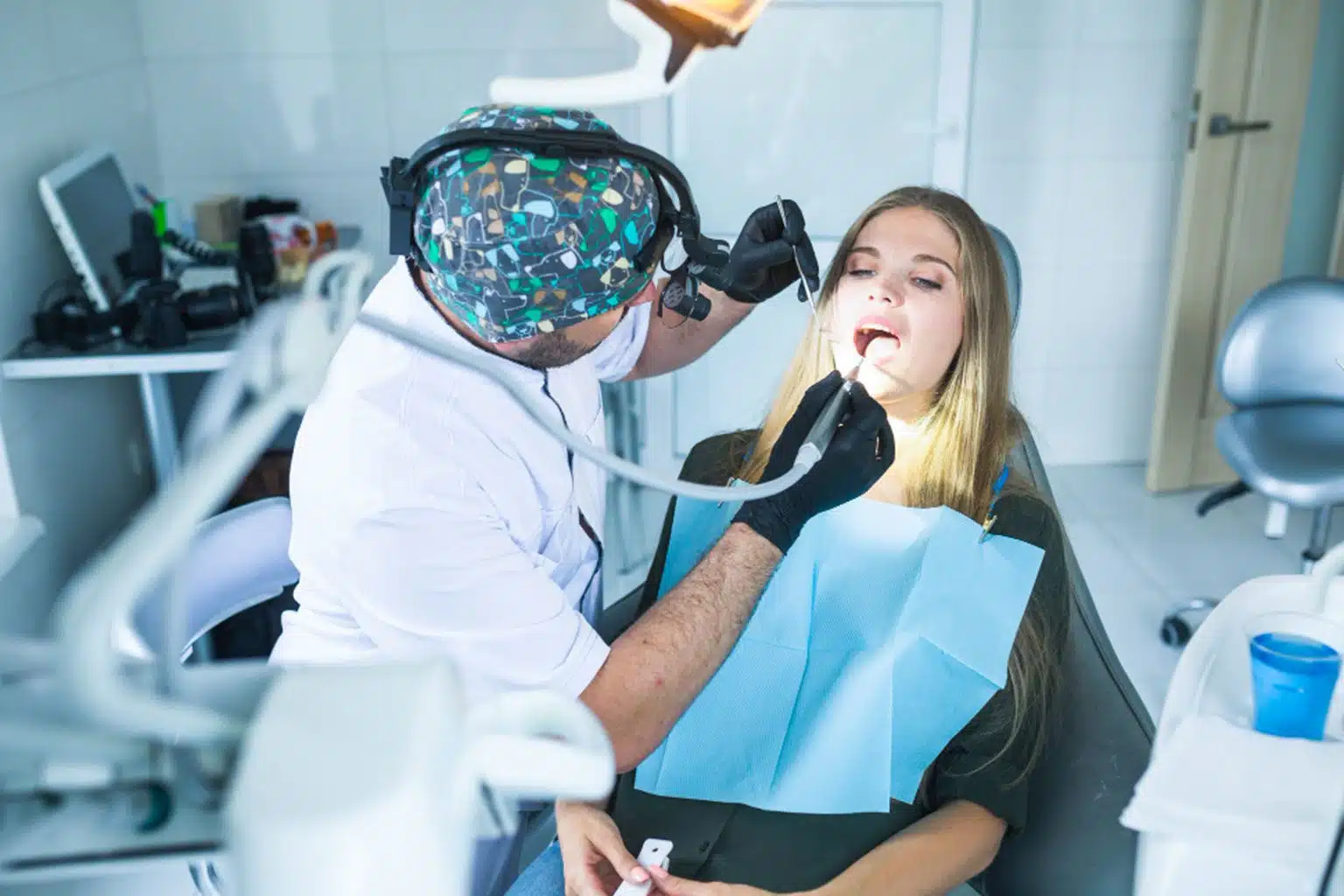
To the average patient, a visit to the dental clinic is defined by a specific set of sensory experiences: the sterile scent of the waiting room, the hum of a high-speed drill, and the sight of a practitioner clad in scrubs, safety glasses, and a surgical mask. Patients usually interact with their dentist for less than an hour at a time, viewing them purely through the lens of localized oral treatment. However, the reality of managing a modern dental practice extends far beyond the margins of the dental chair.
Modern dentists juggle a demanding matrix of responsibilities that requires them to shift seamlessly between the roles of a highly skilled surgical clinician, an artistic designer, an empathetic therapist, and an entrepreneurial business executive. The environment is fast-paced, micro-detailed, and physically demanding. Examining a typical day in the life of a modern dentist reveals the meticulous precision, emotional intelligence, and technological sophistication required to maintain the smiles of a community.
The Morning Huddle: Setting the Day’s Trajectory
The day for a modern dentist begins long before the first patient crosses the threshold of the clinic. A successful practice relies heavily on synchronized teamwork, which is established during the morning huddle. This brief but vital operational meeting occurs roughly thirty minutes before clinical hours begin.
During the morning huddle, the dentist gathers with the dental hygienists, clinical assistants, and front-desk administrative staff. Together, they review the daily schedule to anticipate potential bottlenecks and optimize patient flow.
-
Reviewing Patient Records: The team identifies individuals with complex medical histories, such as patients taking blood thinners or those requiring antibiotic prophylaxis due to specific heart conditions.
-
Tracking Lab Work: The staff verifies that all custom crowns, bridges, and orthodontic appliances ordered from external dental laboratories have arrived and passed quality inspection.
-
Emergency Allocation: The team leaves specific time slots open within the schedule to accommodate same-day emergency cases, such as an acute toothache or a fractured incisor.
By coordinating these logistics in advance, the dentist ensures that the clinical environment remains calm, organized, and deeply focused on patient safety.
The Morning Surge: Precision Engineering in Miniature
Once the front doors open, the dentist steps into a demanding schedule of back-to-back clinical procedures. The morning hours are frequently reserved for complex restorative and surgical interventions, as both the practitioner and the patients are at their highest level of alertness.
A modern dentist works within a microscopic field of vision. The oral cavity is small, dark, and constantly in motion due to patient breathing and tongue movement. To execute precise treatments, dentists utilize advanced diagnostic tools. They interpret high-resolution digital radiographs and three-dimensional cone-beam computed tomography scans to evaluate bone density and locate nerve pathways before initiating treatment.
Restorative work is an exercise in extreme material science. When preparing a tooth for a composite restoration or a crown, the dentist removes decayed tissue while preserving as much healthy tooth structure as possible. They must precisely manage moisture control, utilize sophisticated chemical bonding agents, and sculpt restorative materials to perfectly replicate natural dental anatomy. A microscopic error of even a fraction of a millimeter can alter a patient’s bite, leading to chronic jaw joint pain or premature failure of the restoration.
Managing the Psychosocial Element: Overcoming Dental Anxiety
One of the most profound, yet frequently overlooked, challenges a dentist faces every day is managing the emotional state of their patients. Dental anxiety is a pervasive issue, affecting a significant portion of the population. For many individuals, sitting in a dental chair triggers a physiological fight-or-flight response.
Consequently, a modern dentist must act as a master communicator and behavioral therapist. Before picking up a single instrument, the dentist spends time listening to the patient’s concerns, validating their fears, and establishing trust. Practitioners use specific psychological techniques, such as the tell-show-do method, to demystify clinical procedures.
-
Tell: Explaining the upcoming step in clear, non-threatening language.
-
Show: Demonstrating the instrument or the sensation on the patient’s finger.
-
Do: Executing the procedure precisely as described without surprises.
Modern practices also integrate advanced comfort amenities, including noise-canceling headphones, ceiling-mounted televisions, and virtually painless computerized local anesthetic delivery systems. Transforming a terrified patient into someone who can calmly sit through a necessary procedure is often the most rewarding aspect of a dentist’s day.
The Midday Transition: Juggling Hygiene Exams and Business Management
As the morning operations progress, the dentist does not remain isolated in a single treatment room. Instead, they operate in a state of controlled fluid movement between multiple operatories. While the dentist performs complex procedures in one room, dental hygienists operate in adjacent rooms, conducting routine preventive cleanings and periodontal screenings.
Between steps in a restorative procedure, such as waiting for a chemical impression material to cure, the dentist slips away to conduct hygiene examinations. During these brief intervals, the dentist evaluates the hygienist’s findings, performs oral cancer screenings by palpating the lymph nodes and checking soft tissues, and discusses long-term preventative care strategies with patients.
When the lunch hour arrives, the clinical drills fall silent, but the dentist’s responsibilities shift to the business office. The vast majority of dentists are also small business owners. This means their midday break is frequently dedicated to administrative management. The dentist collaborates with the office manager to review practice overhead costs, analyze insurance billing discrepancies, evaluate human resource needs, and make decisions regarding the purchase of costly new clinical technologies.
The Afternoon Shift: Artistry, Innovation, and Modern Technology
The afternoon schedule often brings a shift toward cosmetic dentistry, orthodontic consultations, and the utilization of digital workflows. Modern dentistry has experienced a massive technological revolution, moving away from conventional, messy materials toward clean digital precision.
A prime example of this evolution is the implementation of intraoral digital scanners. Instead of forcing a patient to endure a mouth full of heavy impression putty, the dentist uses a wand-shaped camera to capture thousands of structural images per second. This creates a highly accurate three-dimensional digital model of the teeth on a computer screen.
Using computer-aided design and computer-aided manufacturing software, the dentist can design custom dental crowns or ceramic veneers right at the chairside. In many technologically integrated practices, this digital file is sent directly to an in-office milling machine or a specialized three-dimensional printer. Within an hour, the machine carves a precise, durable restoration out of a solid block of lithium disilicate ceramic. The dentist then characterizes, glazes, and bonds the restoration into the patient’s mouth during a single appointment, saving the patient from wearing a temporary crown and returning for multiple visits.
The Hidden Physical and Mental Toll
While the profession is highly fulfilling, the physical and mental demands placed on a modern dentist are substantial. Maintaining prolonged, precise focus within a microscopic environment requires dentists to adopt awkward, static postures for hours at a time. As a result, chronic musculoskeletal disorders, particularly severe neck, shoulder, and lower back strain, are incredibly common career hazards. To combat this, modern dentists utilize customized ergonomic seating, wear magnification loupes with integrated LED headlights to improve posture, and participate in regular physical therapy.
Mentally, the pressure to maintain absolute perfection is constant. Dentists operate under strict time constraints while managing a packed schedule of unpredictable human emotions. Delivering bad news regarding extensive tooth loss, dealing with the occasional treatment complication, or managing the financial stress of running a commercial business requires a high degree of mental resilience and emotional stability.
Wrapping Up the Day: Preparing for the Future
As the final patient of the afternoon departs, the clinical staff begins the rigorous process of breaking down the operatories, sterilizing instruments according to strict public health protocols, and prepping the rooms for the following day.
The dentist returns to their desk to complete clinical documentation. Every single diagnosis, anesthetic dosage, material brand utilized, and patient conversation must be meticulously recorded in the electronic health record system for legal and clinical continuity. The dentist may also make follow-up phone calls to patients who underwent complex surgical extractions earlier in the day to check on their healing progress and ensure their pain management is adequate.
Once the office lights are turned off, the dentist’s commitment to the profession often continues into the evening. Dentistry is a rapidly evolving science, requiring lifelong education. Many dentists spend their evenings participating in clinical study clubs, reviewing medical journals, or taking advanced continuing education courses to master new surgical techniques, ensuring that when they tie on their mask the next morning, they are providing the absolute highest standard of modern care.
Frequently Asked Questions
What is the difference between a DDS and a DMD degree?
There is no clinical or educational difference between a Doctor of Dental Surgery (DDS) and a Doctor of Dental Medicine (DMD). Both degrees signify that the practitioner has graduated from an accredited dental school and completed identical clinical training. The specific acronym awarded depends solely on the historical naming preference of the university granting the degree.
Why do dentists take so many training courses after they have already graduated?
State licensing boards require dentists to complete a specific number of continuing education hours every year to maintain their license. Because dental materials, digital technologies, and surgical protocols advance rapidly, these courses ensure that practitioners stay updated on modern methodologies and maintain clinical safety standards.
How do dentists protect themselves from respiratory illnesses while working so close to patients?
Dentists utilize a comprehensive framework known as Universal Precautions to prevent cross-contamination. This involves wearing specialized personal protective equipment, including fluid-resistant gowns, face shields, safety glasses, and high-efficiency particulate air masks. Operatories also utilize advanced airborne suction systems and medical-grade air filtration units to continuously clean the air.
Can a general dentist perform complex oral surgeries and root canals?
General dentists receive foundational training in all aspects of dentistry, including root canals, extractions, and cosmetic procedures. Many general dentists choose to take advanced courses to perform these complex treatments comfortably. However, if a case presents exceptional anatomical challenges or high systemic risk, the general dentist will refer the patient to a specialized endodontist or oral surgeon.
Why does a dentist need to check my tongue and throat during a routine exam?
Dentists perform a thorough oral cancer screening during every routine examination. They evaluate the tongue, the floor of the mouth, the inside of the cheeks, and the throat to check for early signs of malignancies, such as unusual white or red patches, unexplained lumps, or tissue ulcerations that have failed to heal.
How do digital impressions compare to traditional putty impressions?
Digital intraoral impressions are significantly more comfortable for the patient, completely eliminating the gag reflex associated with traditional trays. Clinically, they offer superior accuracy by removing the risk of material distortion or air bubbles, allowing the dental laboratory to create better-fitting crowns, night guards, and clear aligners.
Why do dentists emphasize saving a natural tooth rather than extracting it?
Natural teeth provide essential structural support to the jawbone and maintain the alignment of the surrounding dentition. When a tooth is extracted, the underlying bone begins to resorb and dissolve over time, causing neighboring teeth to shift out of place. Saving a tooth via root canal therapy or a deep restoration preserves natural chewing function and prevents complex long-term bite problems.