

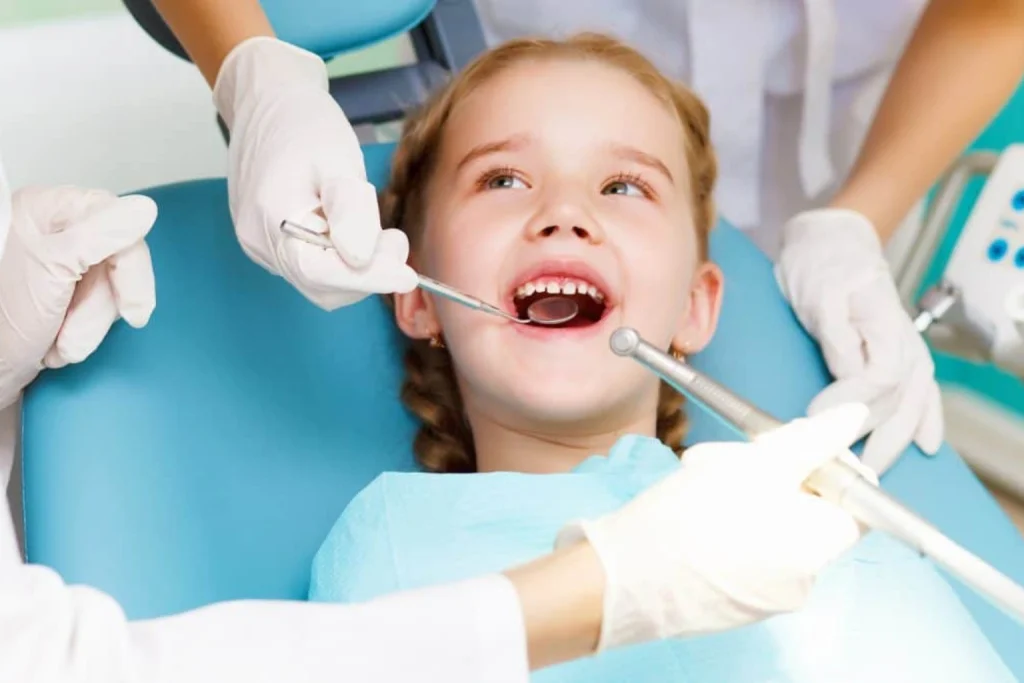
Finding the right healthcare provider for your child is one of the most consequential decisions you will make as a parent. While most parents carefully vet pediatricians, dental health sometimes takes a back seat until a problem arises. However, a child’s early experiences with dental care can shape their attitude toward oral hygiene and medical visits for the rest of their lives. A negative experience can create lifelong dental anxiety, while a positive, supportive environment fosters healthy habits that extend far into adulthood.
Choosing a pediatric dentist requires looking beyond a convenient office location or a friendly website. It involves understanding specialized training, evaluating behavioral management techniques, and assessing how well a practice can accommodate your child’s evolving emotional and developmental needs.
Understanding the Pediatric Dental Specialty
Many parents wonder if they can simply take their child to their own family dentist. While general dentists are fully qualified to treat patients of all ages, pediatric dentists undergo rigorous, specialized training tailored specifically to children.
After completing regular dental school, pediatric dentists complete an additional two to three years of residency training. This advanced education focuses entirely on the oral health and developmental needs of infants, children, adolescents, and children with special healthcare needs. Their training covers child psychology, growth and development, pediatric oral trauma management, and advanced behavioral guidance techniques.
Think of a pediatric dentist as the pediatrician of the oral cavity. They understand how primary teeth, commonly called baby teeth, guide the development of permanent teeth. They are also uniquely equipped to manage the anxiety, restlessness, and curiosity that young children naturally bring to a medical setting.
Key Factors to Consider When Selecting a Practitioner
1. Board Certification and Professional Affiliations
The first step in evaluating a potential dentist is verifying their credentials. While all practicing pediatric dentists must be licensed by their state, look for a professional who is a board-certified pediatric dentist.
Board certification signifies that the dentist has passed rigorous written and clinical examinations administered by the American Board of Pediatric Dentistry. This demonstrates a commitment to the highest standards of patient care and continuing education. Additionally, membership in organizations like the American Academy of Pediatric Dentistry indicates that the practitioner stays up to date on the latest clinical guidelines and technological advancements in children’s oral health.
2. The Office Environment and Layout
Children process the world through their senses. A stark, sterile, adult-oriented dental office can immediately trigger fear and resistance. When researching options, schedule an initial tour of the facility before booking a formal clinical appointment.
A high-quality pediatric office should feel welcoming from the moment you walk through the door. Look for the following elements during your visit:
-
A waiting area equipped with age-appropriate toys, books, or games to keep children distracted and engaged.
-
Bright, cheerful decor that minimizes the clinical feel of the space.
-
Open-bay treatment areas where children can see peers sitting calmly in dental chairs, which leverages positive peer pressure to reduce fear.
-
Private treatment rooms for children who require a quieter environment due to sensory processing differences or anxiety.
-
Child-sized equipment, ranging from smaller dental chairs to smaller instruments that look less intimidating.
3. Behavioral Guidance and Communication Style
The way a dentist interacts with a child matters far more than the toys in the waiting room. Pay close attention to how the dentist and dental hygienists speak to your child. They should use clear, simple language that replaces frightening terms with non-threatening alternatives. For instance, many pediatric offices refer to the air-water syringe as a squirt gun or the dental explorer as a tooth counter.
Observe whether the team utilizes the tell-show-do technique. This widely accepted behavioral management strategy involves:
-
Tell: Explaining the procedure in age-appropriate terms before doing anything.
-
Show: Demonstrating the procedure on a doll, a model, or the child’s finger so they know exactly what to expect.
-
Do: Performing the procedure exactly as described and shown, without surprises.
A skilled practitioner will remain patient, gentle, and calm, even if a child cries, squirms, or refuses to open their mouth. Avoid practices where staff members appear rushed, dismissive, or rely on aggressive physical restraint without prior parental consent.
4. Experience with Special Healthcare Needs
If your child has developmental delays, autism spectrum disorder, ADHD, sensory processing issues, or complex medical conditions, finding the right dentist is paramount. Pediatric dental residencies place a heavy emphasis on treating patients with diverse physical, behavioral, and cognitive needs.
When calling the office, ask specific questions about their experience with special needs care. Inquire about their desensitization protocols, which may involve shorter, non-clinical visits to help the child grow accustomed to the office sights and sounds over time. The staff should be willing to adjust lighting, sound levels, and seating positions to keep your child comfortable.
5. Approach to Preventive and Restorative Care
A great pediatric dentist prioritizes prevention over extensive restorative treatments. During your initial consultation, ask about the office philosophy regarding preventive care. They should offer comprehensive guidance on home care routine development, nutritional habits that impact oral health, and the appropriate use of systemic and topical fluorides.
Furthermore, discuss their protocols for routine procedures like dental sealants, which protect the chewing surfaces of molars from decay. If restorative work like fillings or crowns becomes necessary, the dentist should clearly explain all available options, including conservative treatments like silver diamine fluoride, which can arrest decay without the immediate need for drilling.
6. Emergency Protocols and Accessibility
Dental emergencies, such as fractured teeth, knocked-out permanent teeth, or severe toothaches, frequently happen outside of normal business hours. You need to know how the practice handles these high-stress situations.
Ask the staff how after-hours emergencies are managed. Is there an on-call doctor available to answer questions or meet you at the clinic? Do they have established relationships with local children’s hospitals if trauma requires emergency room intervention? Knowing that your dental team is accessible during an emergency provides significant peace of mind.
Red Flags to Watch Out For During Your Search
While exploring your options, keep an eye out for warning signs that a practice may not be the ideal fit for your family:
-
Lack of parental presence policies: A practice should generally welcome parents into the treatment area, especially during initial visits. While some children perform better independently, a blanket ban on parental accompaniment is a significant red flag.
-
Overtreatment recommendations: If a dentist diagnoses an overwhelming number of cavities or insists on immediate sedation for minor issues without exploring conservative options, consider seeking a second opinion.
-
Unfriendly or impatient staff: The front desk staff, dental assistants, and hygienists form the front line of your child’s experience. If they appear stressed, cold, or impatient, it will impact your child’s comfort level.
-
Poor hygiene protocols: The office, waiting room, and treatment bays should be visibly clean, orderly, and follow standard infection control guidelines.
Preparing Your Child for the First Visit
Once you select a dentist, your role shifts to preparing your child for the visit. Keep your discussions casual and highly positive. Avoid using words like pain, hurt, shot, or needle, even if you are trying to reassure them by saying it will not hurt.
You can read children’s books about dental visits or role-play at home using a toothbrush to count your child’s teeth while they lie back on your lap. By framing the visit as an exciting milestone rather than a medical necessity, you help lay the groundwork for a successful, stress-free appointment.
Frequently Asked Questions
What is the difference between a pediatric dentist and a pedodontist?
There is no practical difference between the two terms. Pedodontist is simply an older medical term derived from the Greek words for child and tooth. Over the years, the profession shifted toward using the term pediatric dentist to make the specialty more easily understood by the general public. Both terms refer to a fully licensed dentist who has completed specialized residency training in children’s oral health.
At what age should a child have their very first dental appointment?
Major health organizations recommend that a child visit the dentist by their first birthday or within six months of the eruption of their first tooth. These early appointments are primarily focused on tracking developmental milestones, evaluating risk factors for early childhood caries, and educating parents on proper infant oral hygiene and feeding practices.
How often do children actually need routine dental X-rays?
The frequency of dental radiographs depends entirely on your child’s individual risk factors for tooth decay, rather than a rigid calendar schedule. A child with high decay activity, poor oral hygiene, or a diet high in fermentable carbohydrates may require X-rays every six months to catch decay between the teeth early. Conversely, a child with low risk factors and excellent home care may only need them every twelve to twenty-four months.
What types of sedation are safe and commonly used in pediatric dentistry?
Pediatric dentists utilize a spectrum of sedation options depending on the child’s age, anxiety levels, and the complexity of the required treatment. Nitrous oxide, commonly called laughing gas, is the mildest and most frequent option, worn via a small nose mask to help the child relax while remaining fully awake. For higher anxiety or extensive work, oral conscious sedation via a liquid medication may be used. For very young, fearful, or highly uncooperative children requiring extensive surgery, general anesthesia administered by a certified anesthesiologist in a controlled environment is used to ensure safety and comfort.
How long should I assist my child with brushing and flossing their teeth at home?
Most children do not develop the manual dexterity and coordination required to effectively clean their own teeth until they are around seven or eight years old. A good rule of thumb is that if a child cannot cleanly write their own name in cursive or tie their own shoelaces effortlessly, they still need an adult to perform or closely supervise their brushing and flossing routines.
What should I do if my child throws a major tantrum or refuses to open their mouth at the office?
Do not feel embarrassed or try to punish your child. Experienced pediatric dental teams deal with resistance, tears, and tantrums every single day. They are trained in desensitization techniques and behavior modification. If a child is highly uncooperative during a routine cleaning, the dentist may perform a quick knee-to-knee exam while you hold the child, or simply postpone non-essential treatments to avoid creating an enduring psychological trauma.