

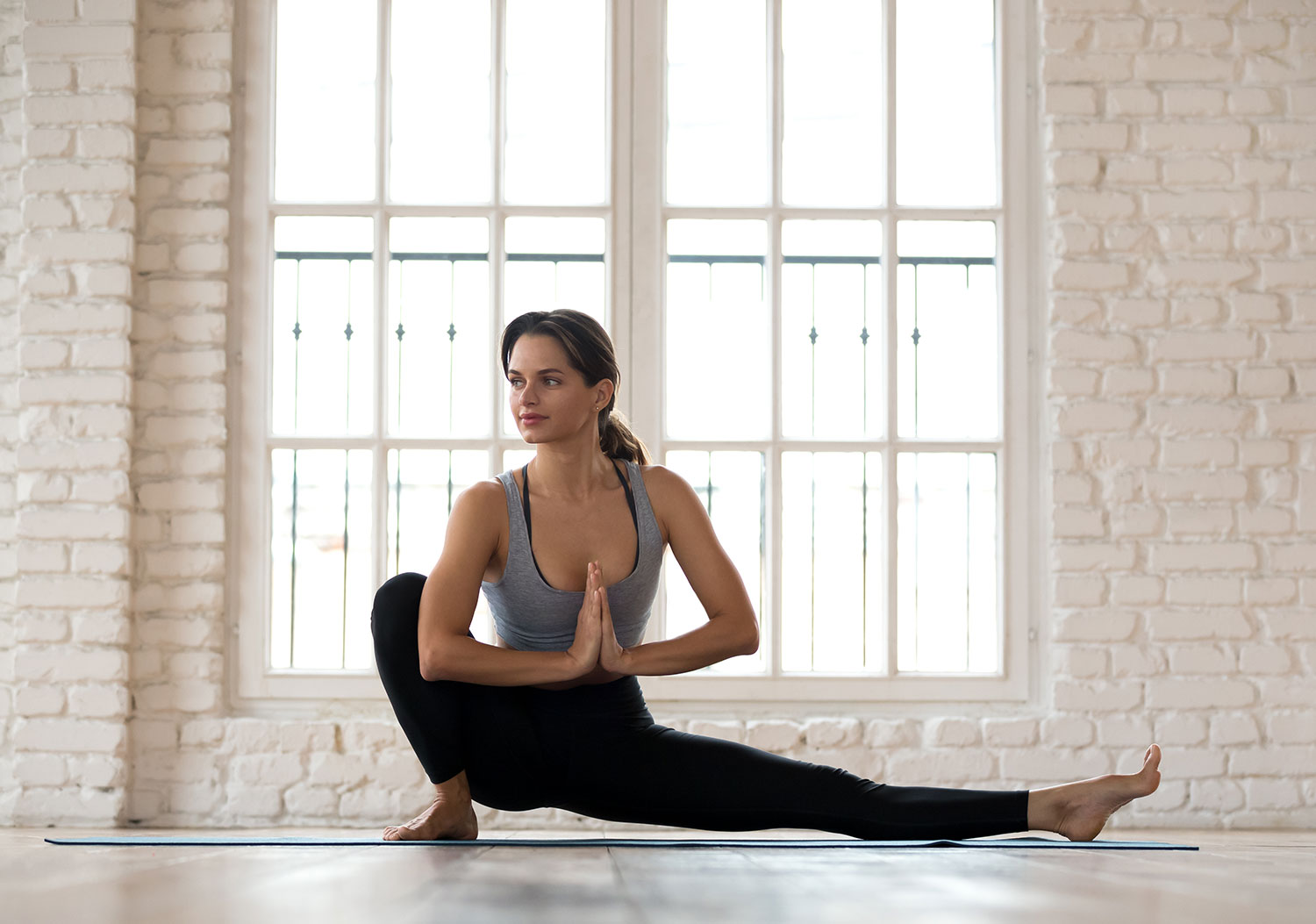
In today’s fast-paced, movement-heavy fitness world, injury recovery often focuses on active rehabilitation, resistance therapy, and dynamic movement. But what if the most powerful tool for healing lies in stillness? At the intersection of mindfulness and recovery lies the gentle, introspective practice of yin yoga — a slow, meditative style that targets the connective tissues, joints, and fascia to promote deep restoration. More than just stretching, it’s a practice of surrender that helps the body recalibrate, particularly for those recovering from physical injuries or managing chronic pain.
Whether you’re healing from a sports injury, surgery, or muscular strain, integrating yin yoga into your rehabilitation plan can offer long-term benefits. This practice, when approached mindfully and with guidance, supports the body’s natural recovery mechanisms and enhances overall physical resilience.
Understanding the Science of Recovery
Before diving into how yin yoga assists recovery, it’s important to understand what your body undergoes during injury. When tissue damage occurs — whether it’s muscle, tendon, ligament, or joint — the body initiates a healing cascade. This includes inflammation, tissue regeneration, and gradual remodelling. However, without proper mobility, scar tissue can form in a restrictive pattern, limiting flexibility and range of motion.
This is where yin yoga steps in. Its long-held poses, usually lasting between 3 to 7 minutes, gently encourage the connective tissues to release, hydrate, and realign. Unlike active forms of yoga or physiotherapy exercises that focus on muscle contraction, yin works passively, allowing gravity and breath to do the work.
Why Yin Yoga Works for Injury Recovery
1. Encourages Fascia Release and Hydration
Fascia is a web-like connective tissue that surrounds muscles and organs. During injury, fascia can become stiff or dry, leading to reduced mobility. Yin yoga targets fascia through sustained holds, which encourages hydration of the tissue via fluid exchange.
This keeps the fascia supple and responsive, reducing stiffness post-injury. Unlike dynamic movement, yin gives fascia the time and space it needs to adapt and soften.
2. Enhances Joint Mobility
Joint stiffness is common during recovery, especially when limbs are immobilised for extended periods. Yin yoga postures gently stress the joints in a safe, controlled way, encouraging synovial fluid production — the body’s natural joint lubricant.
This prevents further degeneration and helps rebuild the joint’s capacity to move comfortably again. For individuals recovering from knee, hip, shoulder, or spinal injuries, this passive joint engagement is crucial.
3. Supports Nervous System Regulation
Injury isn’t only physical — the nervous system also experiences stress, fear, and hypervigilance post-trauma. Yin yoga activates the parasympathetic nervous system, often referred to as the “rest and digest” mode.
This creates an environment conducive to healing by slowing the heart rate, reducing cortisol (stress hormone) levels, and calming the mind. A calm body heals faster and more effectively.
4. Promotes Body Awareness and Patience
Rehabilitation can be frustrating. Progress feels slow, and setbacks are common. Yin yoga teaches the practitioner to observe their body with patience and compassion. The stillness allows one to notice subtle shifts in sensation and limitation.
Instead of pushing through pain, as often happens with traditional workouts, yin encourages backing off when discomfort arises. This cultivates a safer, more intuitive approach to healing.
Poses That Complement Injury Rehabilitation
Here are a few yin yoga poses often recommended for those recovering from physical injuries (only under guidance from a certified teacher or physiotherapist):
-
Supported Butterfly Pose (Supta Baddha Konasana)
Excellent for groin, hip, and inner thigh tightness. Helps gently release pelvic tension and can be modified with cushions for comfort. -
Legs-Up-The-Wall (Viparita Karani)
Relieves swelling in the legs, improves blood circulation, and aids lymphatic drainage — ideal for post-surgical recovery. -
Sphinx Pose
Targets the lumbar spine, supporting lower back recovery and encouraging healthy spinal extension in a non-aggressive way. -
Reclining Twist (Supta Matsyendrasana)
Gentle spinal rotation that supports digestion, relieves back tightness, and promotes parasympathetic activity. -
Caterpillar (Seated Forward Bend)
Targets the hamstrings and spine. Useful for gently lengthening the posterior chain of the body, often shortened by immobility.
Each pose can be held for 3–5 minutes, depending on the individual’s comfort and recovery stage. Props like bolsters, cushions, and folded blankets are encouraged to reduce strain.
Precautions and When to Avoid
While yin yoga is gentle, it is not suitable in every injury scenario. It should be avoided or highly modified in the following cases:
-
Immediately after acute trauma or swelling
-
Post-surgical areas that haven’t healed or closed fully
-
When pain increases during a pose
-
If there is nerve compression or instability in joints
Always consult your doctor or physiotherapist before incorporating yin yoga into your recovery plan.
Integrating Yin Yoga into a Holistic Recovery Plan
Yin yoga should not replace physiotherapy or clinical rehabilitation methods. Instead, it complements them. The best recovery plans integrate multiple modalities — including movement therapy, strength rebuilding, rest, and mindfulness.
Practising yin yoga two to three times a week, either independently or with a certified instructor, provides the connective tissue work often missing from more dynamic rehab routines.
If you are part of a structured wellness programme such as Yoga Edition, you may find classes specially curated for therapeutic recovery or rest-focused sessions that align with post-injury goals.
The Emotional Healing Aspect
Physical injuries often come with emotional baggage — frustration, anxiety, fear of re-injury, or even depression. Yin yoga offers more than physical benefits. It creates a safe space to emotionally process the experience of being injured, immobile, or limited.
This release is often subtle. Tears may come during a deep hip opener. Calmness may follow a long-held spinal twist. Yin yoga teaches us to stay present, breathe through discomfort, and trust the body’s capacity to heal.
This emotional resilience is vital, especially for athletes, active professionals, or anyone who feels disconnected from their body due to an injury.
Long-Term Benefits for Recovered Individuals
Even after recovery, yin yoga continues to be a valuable practice. Its benefits for joint health, injury prevention, and mental wellbeing make it an excellent long-term addition to any lifestyle.
Many individuals find yin yoga improves their posture, sleep, and mindfulness levels — areas often compromised by prolonged rehabilitation.
Incorporating yin post-recovery also helps prevent re-injury, as the practice keeps connective tissue supple, improves circulation, and enhances proprioception (awareness of body in space).
Real-Life Experiences from Practitioners
-
“After my ACL surgery, I couldn’t even sit cross-legged. Yin helped me slowly regain range without pain. It taught me to listen to my body rather than push it.” — Devika, 35
-
“My physio said to include light stretching in my healing. I started yin yoga and found it helped with my back stiffness and also reduced my anxiety.” — Ahmad, 42
-
“What I loved most was how patient I became with my body. I stopped judging the pace of my recovery and started observing how much I had already healed.” — Clara, 29
FAQ
Q. Can I practise yin yoga with a torn ligament or recent surgery?
A. Not immediately. Yin yoga should only be introduced once your medical professional or physiotherapist confirms the tissue has healed enough to handle sustained stress. Always use props and avoid pushing into pain.
Q. How long should I hold yin poses during recovery?
A. Start with 1–2 minutes per pose and gradually work up to 3–5 minutes. Use props to reduce strain and focus on relaxing into the stretch rather than pulling or pushing.
Q. Is yin yoga better than physiotherapy for recovery?
A. No, yin yoga complements physiotherapy but should not replace it. Physiotherapy targets specific rehabilitation exercises, while yin supports passive release, fascia health, and emotional recovery.
Q. Will yin yoga help with old injuries too?
A. Yes, yin can support the long-term release of tension built around scar tissue or previously injured areas. It also helps with postural corrections and joint lubrication, which are often compromised after past injuries.
Q. Can I do yin yoga at home for recovery?
A. Yes, but start with beginner sequences and use props generously. Consider guided videos or attend a few sessions with a certified instructor before creating a home practice.