

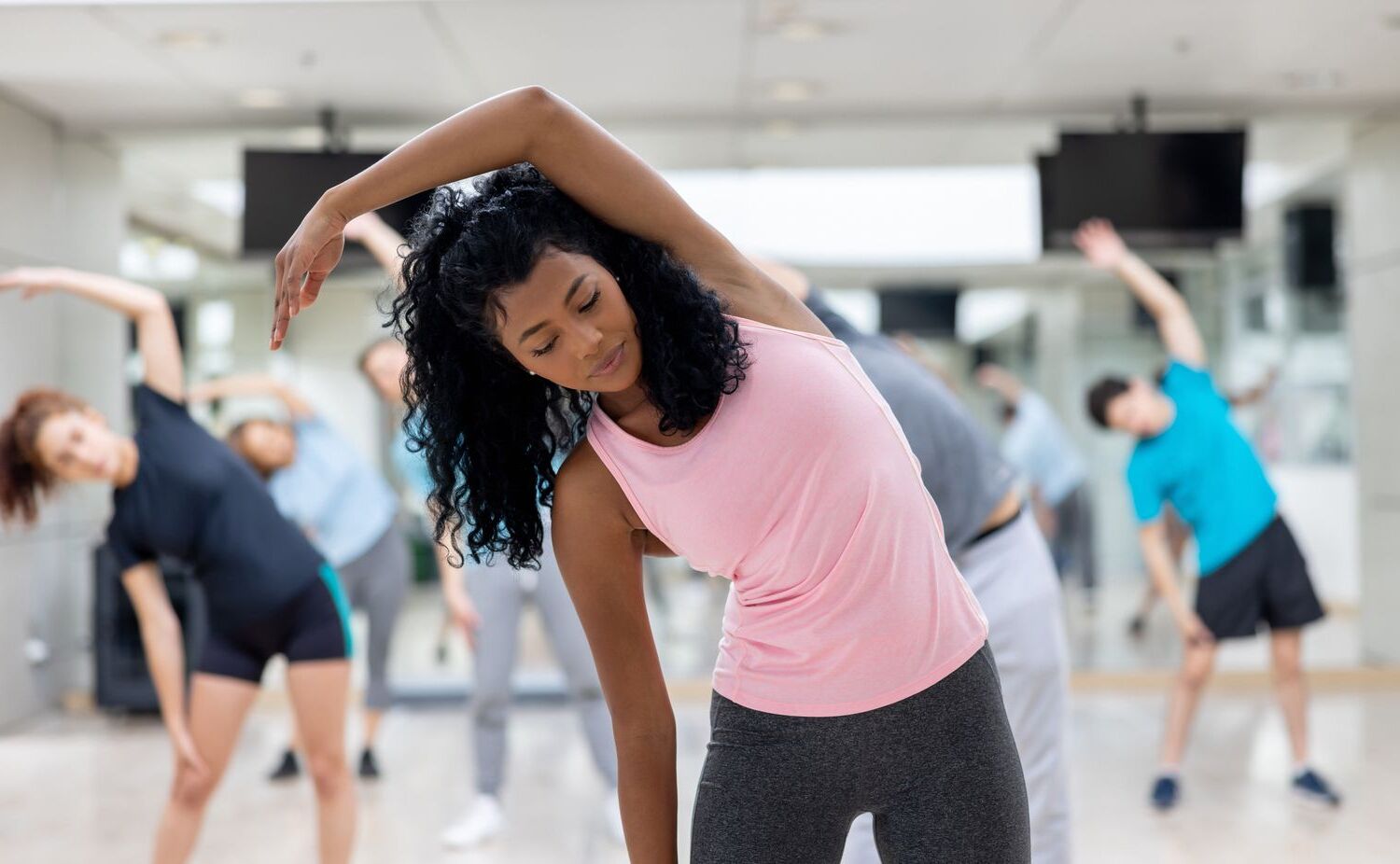
Introduction: More Than Just Physical Fitness
Exercise is often framed within the narrow context of weight loss or muscle gain. However, it transcends these boundaries, playing a pivotal role in shaping not just the body, but also the mind and spirit. A consistent exercise regimen cultivates discipline, enhances mental clarity, and nurtures emotional balance. In today’s fast-paced world, where digital dependency and sedentary routines prevail, movement is no longer optional—it’s essential.
The Science Behind Exercise: A Symphony of Systems
Regular physical activity triggers a cascade of positive physiological responses. From improved cardiovascular efficiency to optimized hormonal balance, exercise is the body’s natural tuning mechanism.
Key Scientific Benefits:
-
Cardiovascular Health: Aerobic activities such as jogging, cycling, or swimming enhance heart function and regulate blood pressure.
-
Muscle and Bone Strength: Resistance training increases bone density and prevents age-related muscle loss (sarcopenia).
-
Hormonal Harmony: Exercise stimulates endorphins, dopamine, and serotonin—chemicals responsible for mood elevation and stress relief.
-
Metabolic Boost: Physical activity enhances insulin sensitivity and supports efficient energy utilization.
Types of Exercise: One Size Doesn’t Fit All
Fitness is not a monolith. What works for one may not suit another. Understanding the different modalities of exercise helps in curating a routine that aligns with personal goals, preferences, and physical condition.
1. Aerobic Exercise
This includes activities that elevate your heart rate and improve oxygen consumption.
-
Walking or brisk walking
-
Running or jogging
-
Cycling
-
Swimming
-
Dancing
2. Strength Training
Targeted to increase muscle mass and strength.
-
Weight lifting
-
Resistance bands
-
Bodyweight exercises (e.g., push-ups, squats)
3. Flexibility and Mobility
These exercises ensure range of motion, joint health, and injury prevention.
-
Yoga
-
Pilates
-
Dynamic stretching
-
Tai chi
4. High-Intensity Interval Training (HIIT)
Short bursts of intense activity followed by rest or low-intensity recovery.
-
Sprint intervals
-
Circuit training
-
Tabata workouts
5. Functional Fitness
Focused on improving real-life movements and posture.
-
Kettlebell swings
-
Lunges and squats
-
Core stabilization exercises
The Mental and Emotional Edge
Beyond its physiological perks, exercise is a potent mental health ally. The modern world demands resilience, focus, and emotional balance—all of which can be fostered through consistent physical activity.
Mental Health Advantages:
-
Reduces Anxiety and Depression: Exercise modulates neurotransmitters and dampens cortisol levels.
-
Boosts Cognitive Function: Physical activity improves memory, attention span, and executive functioning.
-
Improves Sleep Quality: Deep, restorative sleep is more likely after a day of movement.
-
Enhances Self-Esteem: Achieving fitness goals, however small, fosters a sense of competence and body positivity.
The Role of Consistency Over Intensity
One common misconception is that exercise must be grueling to be effective. In reality, consistency trumps intensity when it comes to long-term health. Thirty minutes of moderate movement daily can outperform sporadic, intense sessions.
Tips for Building a Sustainable Routine:
-
Start Small: Begin with manageable goals to avoid burnout.
-
Incorporate Variety: Mix different forms of exercise to keep things engaging.
-
Listen to Your Body: Rest is as crucial as activity; don’t ignore signs of fatigue or injury.
-
Make It Enjoyable: Choose activities that you genuinely enjoy—this is the key to longevity.
Barriers to Exercise—And How to Overcome Them
Life gets busy. Motivation wanes. Injuries happen. Yet, there are always ways to navigate obstacles without abandoning the practice.
Common Barriers and Solutions:
-
Lack of Time: Break workouts into smaller chunks throughout the day—ten minutes in the morning, ten at lunch, ten in the evening.
-
Low Motivation: Find a workout buddy or hire a coach to keep you accountable.
-
No Access to a Gym: Utilize bodyweight exercises and online workout platforms.
-
Chronic Pain or Injury: Opt for low-impact options like swimming, chair yoga, or resistance band exercises.
Exercise Across Life Stages
Exercise isn’t just for the young or athletic. Each life stage can benefit from tailored physical activity.
-
Children and Adolescents: Emphasize play, agility, and skill development.
-
Adults: Balance strength, cardio, and flexibility to manage stress and maintain energy.
-
Seniors: Focus on balance, bone density, and joint mobility to support independence.
The Holistic Integration of Exercise
Exercise, when viewed holistically, becomes more than a task—it becomes a lifestyle. When integrated thoughtfully with nutrition, mindfulness, and sleep, movement amplifies every aspect of health.
A Balanced Wellness Approach:
-
Pair strength training with adequate protein intake for muscle synthesis.
-
Follow up a yoga session with mindful breathing for emotional grounding.
-
Ensure post-workout recovery includes hydration and sleep for cellular repair.
Conclusion: Movement as a Mindset
Exercise is not merely a prescription for health—it is an expression of respect for the body. It is a celebration of vitality, an act of empowerment, and a pathway to longevity. Whether you’re sprinting through a high-intensity circuit, flowing through a yoga sequence, or simply walking in the park, movement has the power to transform your life.
So, step into your strength. Not just for the physique, but for the focus, freedom, and fullness it brings to your days.