

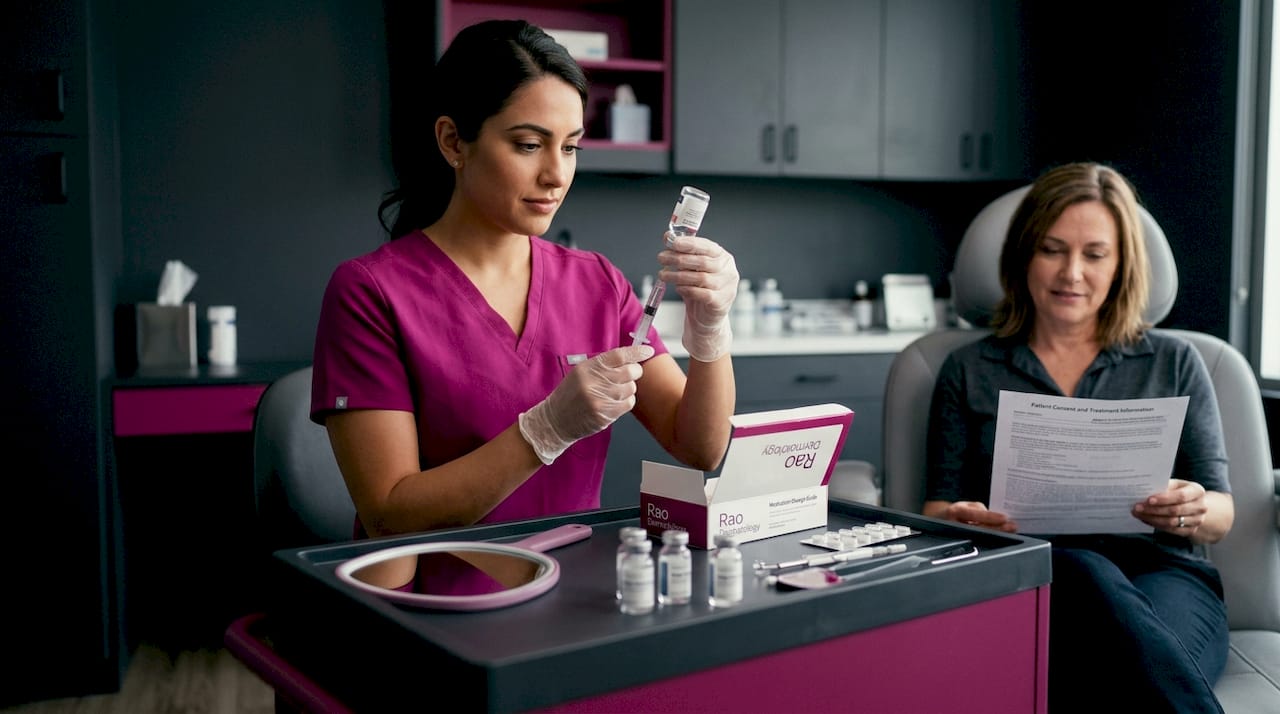
Injectable treatments can be a useful option for people who want subtle facial refreshment without the downtime of surgery, but pricing is often less straightforward than it first appears. Anyone comparing restylane vs juvederm cost will usually find that the final figure depends on far more than the brand name alone, including treatment goals, product choice, practitioner skill, and the amount required.
Why Filler Costs Vary Between People
Two people can book a consultation for the same concern and still receive different treatment plans. This is because facial structure, skin condition, age, volume loss, and personal preference all influence what is needed. One person may want a very light correction, while another may need more structural support to achieve a balanced result.
This is especially true with dermal fillers, where small differences in placement can make a noticeable difference to the final outcome. The treatment is not simply about filling a line or adding volume. It is about assessing how the face moves, where support has reduced, and how to create a result that suits the individual rather than copying a standard look.
A responsible practitioner will usually begin with a consultation before discussing exact pricing. This allows them to recommend a suitable product, explain why it has been chosen, and advise on whether the desired result is realistic.
Brand Choice Is Only One Consideration
Well-known filler brands often have different product ranges within them. Some formulations are designed for soft movement and hydration, while others are intended to provide lift, contour, or deeper support. This means that comparing brands as if they are single products can be misleading.
A filler used for fine lines around the mouth will not necessarily be the same type used for cheek volume or chin shaping. The texture, thickness, elasticity, and expected longevity can all vary. These differences affect how the product behaves once injected, as well as how much may be needed.
This is why the lowest advertised price is not always the best guide. The better question is whether the recommended product is appropriate for the area being treated and the result the patient wants.
Treatment Planning Can Affect the Final Price
Good injectable work often takes a staged approach. Rather than placing too much product in one appointment, some practitioners may recommend gradual treatment over time. This can help create a more natural finish and allow the face to settle before deciding whether further adjustment is needed.
For example, someone addressing early volume loss may only need a small amount of filler in one area. Someone looking to improve overall balance across the cheeks, jawline, and lower face may require a more detailed plan. These two appointments would not be priced in the same way because the time, product, and clinical planning are different.
A clear treatment plan should explain the recommended areas, the approximate amount of filler, the expected result, and any maintenance that may be required. This makes budgeting easier and helps avoid surprise costs later.

Safety and Skill Should Be Part of the Budget
Injectables should always be treated as clinical procedures, not casual beauty appointments. The face contains blood vessels, nerves, and delicate structures, so product placement requires proper training and anatomical knowledge.
Paying for an experienced practitioner is not only about the visible result. It also covers careful assessment, hygiene standards, complication awareness, aftercare advice, and the ability to manage issues if they arise. These factors are an important part of the overall value.
Very cheap treatments can be tempting, especially when prices are advertised heavily online. However, lower cost should not come at the expense of safe products, qualified injectors, or a proper consultation. With fillers, poor technique can lead to uneven results, overfilling, migration, or more serious complications.
Thinking Beyond the First Appointment
When budgeting for fillers, it helps to think about the full treatment journey rather than just the initial session. Results are temporary, and maintenance varies depending on the area treated, the product used, and how quickly the individual metabolises filler.
Some areas may need refreshing sooner because they move more frequently. Others can hold results for longer. Lifestyle, metabolism, facial expression, and previous treatments can also influence longevity.
A sensible budget should therefore include the possibility of future top-ups, review appointments, and gradual refinement. This does not mean committing to constant treatment, but it does mean understanding that fillers are not usually a one-off permanent solution.
The best approach is to choose treatment based on suitability, safety, and long-term satisfaction rather than price alone. A good consultation should leave the patient feeling informed, not pressured, with a clear idea of what is recommended, why it is appropriate, and how the cost fits into their wider goals.