

Introduction: More Than Just Surface Beauty
Skin care is not a frivolous indulgence reserved for vanity—it is a vital component of overall well-being. Our skin is the body’s largest organ, our first line of defense against environmental aggressors, and an outward reflection of inner health. To care for one’s skin is to respect the body’s natural rhythms and respond to its needs with intention. In a world of marketing buzzwords and fleeting beauty trends, understanding the true essence of skin care requires a grounded, holistic approach. This article delves into the art and science of maintaining radiant skin—blending expert insight with everyday practicality.
Understanding Your Skin: The Foundation of Effective Care
The journey to optimal skin care begins with self-awareness. Each individual’s skin is as unique as their fingerprint, shaped by genetics, age, diet, environment, and lifestyle choices. Broadly, skin types fall into five categories:
-
Normal: Balanced, with minimal imperfections
-
Dry: Flaky or rough, often lacking moisture
-
Oily: Shiny, prone to acne and enlarged pores
-
Combination: Oily in some areas (typically the T-zone), dry or normal in others
-
Sensitive: Easily irritated, reactive to products or weather
Recognizing your skin type is crucial in selecting appropriate products and routines that support, rather than disrupt, your natural balance.
The Essentials of a Timeless Skin Care Routine
While products and trends evolve, the core structure of an effective routine remains elegantly simple. The following steps create a reliable framework suitable for all skin types:
1. Cleansing: A Fresh Start
Cleansing clears away dirt, excess oil, makeup, and environmental pollutants. Use a gentle cleanser that respects your skin’s pH and doesn’t strip away natural oils. Morning and evening cleansing is ideal, especially for those exposed to city environments or who wear cosmetics daily.
2. Toning: Restoring Harmony
A toner rebalances the skin after cleansing and prepares it for moisturization. Modern toners are no longer harsh astringents; many now contain soothing, hydrating ingredients such as rose water, green tea, or chamomile.
3. Moisturizing: The Skin’s Embrace
Moisturizers seal in hydration and help maintain the skin’s barrier function. Even oily skin needs moisture—choose oil-free or gel-based options if shine is a concern. For dry skin, creams with ceramides or hyaluronic acid can be transformative.
4. Sun Protection: The Non-Negotiable Shield
No step in skin care is more essential—or more neglected—than sun protection. Daily use of a broad-spectrum SPF 30 or higher safeguards against premature aging, hyperpigmentation, and the risk of skin cancer. This holds true even on cloudy days or when staying indoors near windows.
Beyond the Basics: Treatments and Enhancements
Once the fundamentals are established, targeted treatments can address specific concerns such as acne, pigmentation, or aging. These include:
-
Exfoliants: Chemical exfoliants like AHAs and BHAs gently dissolve dead skin cells, promoting cell turnover without the abrasiveness of scrubs.
-
Serums: Concentrated solutions delivering active ingredients such as vitamin C, niacinamide, or peptides directly into the skin.
-
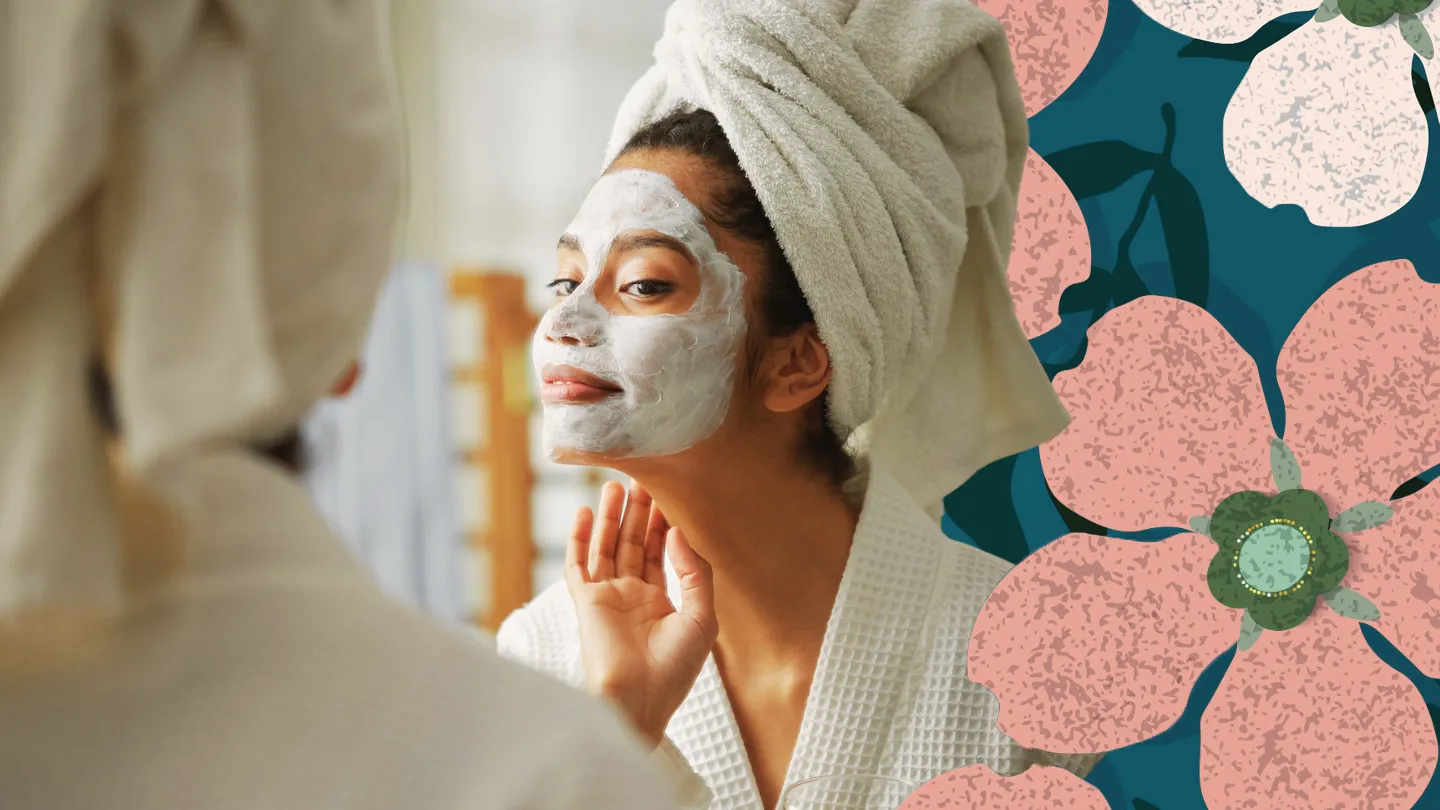
Masks: Used weekly, masks can hydrate, purify, or brighten depending on their formulation.
-
Retinoids: Powerful derivatives of vitamin A that stimulate collagen, smooth fine lines, and combat acne.
When introducing potent actives, patience and consistency are key. Begin slowly, monitor reactions, and consult a dermatologist if necessary.
Internal Wellness: The Skin-Body Connection
True skin health radiates from within. A polished surface means little if systemic imbalances persist. Consider these internal factors:
-
Hydration: Drinking adequate water keeps skin plump and elastic.
-
Nutrition: Diets rich in antioxidants, healthy fats, and vitamins support cellular repair. Leafy greens, berries, nuts, and omega-3-rich fish are all skin-friendly choices.
-
Sleep: The skin regenerates overnight. Poor sleep accelerates aging and dullness.
-
Stress Management: Chronic stress triggers hormonal fluctuations that can lead to inflammation and breakouts.
-
Exercise: Physical activity boosts circulation, nourishing skin cells and expelling toxins through sweat.
When lifestyle supports skin care, results are magnified.
Avoiding Common Pitfalls
Even the most well-meaning efforts can backfire. Be mindful of these frequently overlooked missteps:
-
Over-exfoliation: Leads to barrier damage, redness, and sensitivity
-
Product overload: Layering too many actives can confuse and irritate the skin
-
Ignoring expiration dates: Old products can harbor bacteria or lose efficacy
-
Skipping sunscreen on cloudy days: UV rays penetrate clouds and windows alike
A refined skin care approach embraces minimalism, consistency, and self-knowledge.
Embracing Aging with Grace
Aging is a privilege, and skin care should enhance rather than erase the signs of a life well-lived. Mature skin benefits from richer moisturizers, peptides, antioxidants, and retinoids—all of which encourage elasticity and brightness. Rather than pursuing youth, focus on maintaining vibrancy and confidence through mindful care.
Final Thoughts: Beauty in Ritual
Skin care is more than a routine—it’s a ritual of self-respect. In a culture that often demands immediate results and perfection, choosing to slow down, observe your skin’s needs, and nourish it with intention is a radical act of self-care. Whether it’s a few minutes each morning or a Sunday evening mask, these quiet moments of connection with oneself can be deeply restorative.